

Understanding the Role of the MPEP in Patent Examinations
Applying for a patent can feel overwhelming, especially when you're not sure how decisions are made behind the scenes. One of the key resources examiners use to evaluate patent applications is the Manual of Patent Examining Procedure or MPEP. While this manual might not be well-known outside patent law circles, it plays...

Can I Obtain a Patent in the U.S. if It’s Already Patented Overseas?
Securing patent protection in one country doesn’t automatically grant you rights in another. If you’ve already patented your invention overseas, you may still be eligible for a U.S. patent, but the process depends on timing and specific legal requirements. International agreements give inventors the opportunity to extend protection, but missing deadlines or...

Gearhart Law Celebrates Prime 6’s $35 Million Expansion in West Virginia
Gearhart Law is proud to announce that its long-standing client, Prime 6, a trailblazer in sustainable wood products, is expanding its operations with a new $35 million manufacturing facility.
Summit, New Jersey (Law Firm Newswire)– Gearhart Law is proud to announce that its long-standing client, Prime 6, a trailblazer in...

Mistakes to Avoid When Renewing Your Trademark
Your trademark represents your brand’s identity, setting you apart from competitors and building trust with customers. But owning a trademark isn’t a one-time process—it requires maintenance. If you don’t renew it properly, you could lose your rights, forcing you to start over or risk another business claiming your mark. The renewal process...


How to Search for Potential Trademark Infringements Before It’s Too Late
A strong trademark sets your brand apart, but that protection only works if no one else is using something too similar. Without regular searches, you could miss signs of infringement—leaving your business vulnerable to legal disputes or even losing the right to your own name. Trademarks aren’t just about securing registration; they...

Can Patents Be Revoked?
A patent gives you exclusive rights to your invention, but those rights aren’t always permanent. Mistakes in the application, missed payments, or legal challenges can lead to revocation. Sometimes, competitors or third parties seek to invalidate a patent if they believe it was improperly granted. The U.S. Patent and Trademark Office (USPTO)...

Tips & Considerations During a Fraudulent Inducement Case
When someone tricks you into signing a contract or entering a deal under false pretenses, the consequences can be serious. A fraudulent inducement claim allows you to hold the other party accountable for misleading you. These cases often involve false promises, hidden information, or intentional misrepresentations that cause financial harm. Proving fraud...

What Happens to Patents When the Owner Passes Away?
A patent doesn’t expire when its owner passes away. Instead, it becomes part of the estate, just like real estate or investments. The rights to the patent can be transferred to heirs, beneficiaries, or business partners, depending on the owner’s estate plan. If no plan is in place, state law determines who...
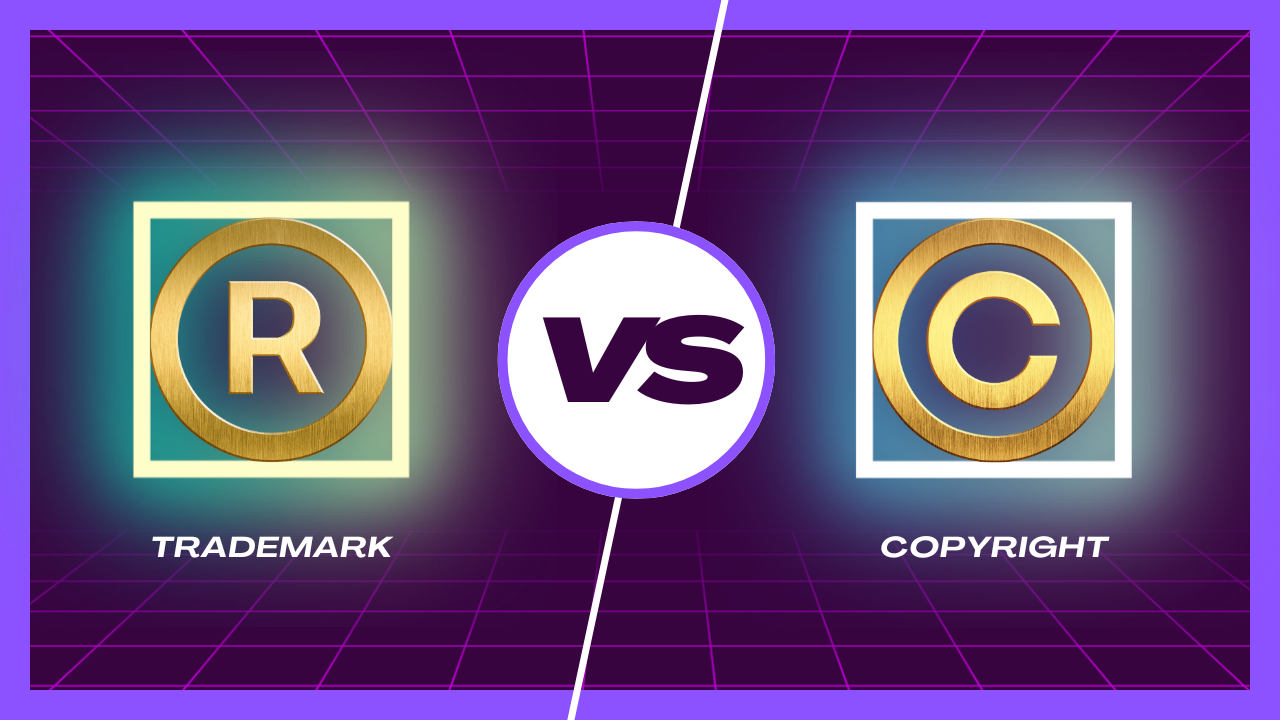
Understanding the Differences Between Copyright and Trademark
When it comes to protecting intellectual property, two common forms of legal protection are copyright and trademark. While both offer protection of intellectual property and recourse against third-party infringers, each serves distinct purposes and covers diverse types of assets. Understanding the differences between copyright and trademark can help individuals and businesses protect...