Can You Patent a Diagnostic Method?
You can patent a diagnostic method in the United States, but only if the method goes beyond simply observing a natural correlation. To qualify, the innovation must apply that correlation through defined steps that produce a measurable and practical outcome. The key is whether the diagnostic process adds a human-driven, technical contribution...
What Should Be Included in a Commercial Contract?
A commercial contract is the foundation of any successful business relationship. It defines how parties will work together, what each is responsible for, and how risks will be managed. A well-drafted agreement helps prevent misunderstandings, sets clear expectations, and outlines what happens if something goes wrong. From defining deliverables and payment...
What Makes Intellectual Property Valuable to Investors?
Investors often see intellectual property (IP) as one of the most powerful indicators of a company’s long-term potential. Strong IP rights can secure a competitive advantage, generate consistent revenue, and enhance a company’s market position. From patents and trademarks to trade secrets and copyrights, a well-managed IP portfolio signals innovation, strategic foresight,...
How Long Does Copyright Protection Last?
Copyright protection doesn’t last forever, but its duration depends on who created the work and when it was published. For individual authors, protection typically extends for the author’s lifetime plus an additional 70 years. For works created under corporate ownership, joint authorship, or anonymous publication, different rules apply. Knowing how long...
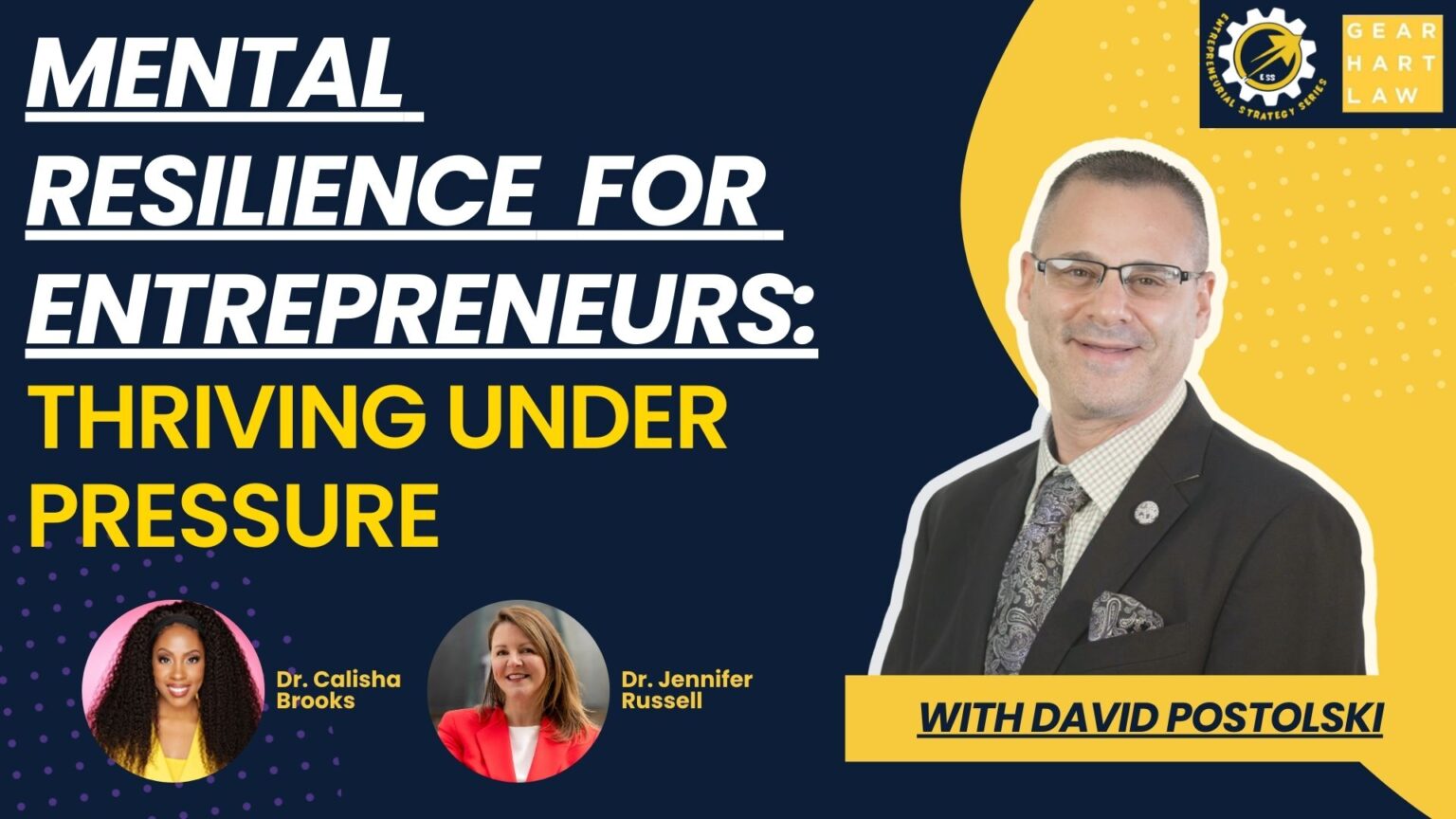
Mental Resilience for Entrepreneurs: Thriving Under Pressure
Entrepreneurship shouldn’t require sacrificing your...
7 Areas for Patent Protection in the Food Industry
Innovation drives growth in the food industry, and patents often play a central role in protecting new ideas. From how a product tastes to how it’s packaged and delivered, patents can help secure competitive advantages. Understanding where patent protection may apply can give food companies, entrepreneurs, and investors a clearer picture of...
Challenges in Chemical Patenting
Patenting in the chemical industry is not as straightforward as it may seem. While a new compound, formula, or process might hold promise, meeting the strict requirements of the United States Patent and Trademark Office (USPTO) is a demanding process. Chemical patents must show not only novelty but also utility and...
4 Requirements When Filing a Trademark Registration
Registering a trademark can be one of the most effective ways to protect your brand. Whether you are launching a new product, building a business in New Jersey, or expanding nationally, the trademark registration process requires careful preparation. To give your application the best chance of approval, it’s important to understand...
What Types of Inventions Can Be Patented?
Coming up with a new invention is exciting, but one of the first questions you may ask is: Can my invention be patented? Not every idea qualifies for patent protection, yet U.S. patent law covers a wide variety of innovations across industries. From software to consumer products, patents play a...
Key Differences Between U.S. and European Patent Examination
Patent protection is vital for inventors and businesses that want to safeguard their innovations. While both the United States and Europe offer strong systems for obtaining patent rights, the examination process is not identical. Understanding how the U.S. Patent and Trademark Office (USPTO) and the European Patent Office (EPO) handle applications can...